We began work on this post in the depths of the pandemic. Somehow we lost track of it. Pam went from the point recorded here to produce a number of productions for Bellevue Opera such as Carmen, Oliver, and Madam Butterfly. She continues to teach the art in the Seattle area.
In the grade schools of the 1960’s psychology was all the rage. We were given a series of tests to learn about our individual make up, what kind of person we were or likely to become, presumably to bend the curriculum to fit the findings. We were told there were no “wrong” answers.
Among the questions I was asked was this:
“Would you rather speak to a crab boat operator or an opera singer?”
Now having interviewed soprano Pamela Casella I can declare there indeed was a wrong answer.
Born in Seattle to the son and daughter of Italian immigrants, music and singing were part of the everyday life of the family and their faith. To say she is a natural is to understate her talent but also would minimize the hard work one must dedicate oneself to in order to arrive on a stage auditioning for the likes of Luciano Pavarotti who commented her voice gave him “gooseflesh” and great conductors of this art such as Nicoli Rescigno and landing the part.
Again and again, Pamela seems to be chosen from literally thousands of applicants by these scions of opera during auditions; whether beginning at the Curtis Institute of Music, or beyond training to sing with Columbia Artists, Chicago Lyric Opera, Dallas Lyric Opera as well as performing in Europe.
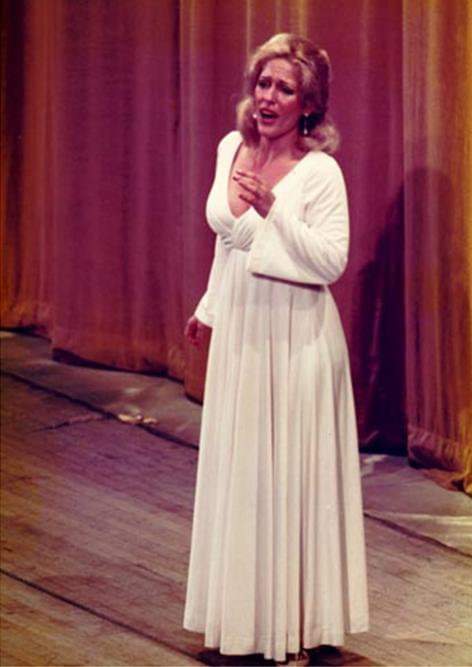
The interview reveals some of the lesser known tragedies of mistakes on stage, some humorous but others quite dangerous, specifically the climatic leap from the precipice in the opera Tosca.
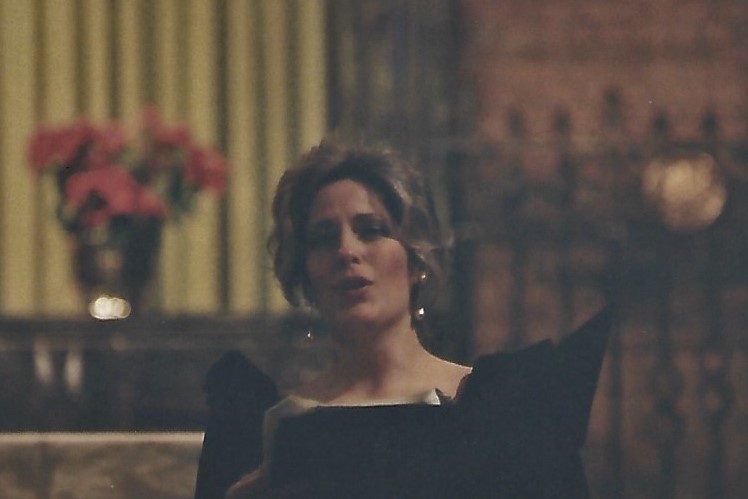
About the time one begins to falter, and lose faith in humanity, one encounters someone like Pam Casella whose voice reminds one of the beauty of God’s Creation.


Most fascinating interview. One of my fav questions is about how to get the voice to project over the orchestra (~13:00). Harmonic resonance is such a neat phenomenon. And The “Squillo” or crying quality of the voice to set it apart from the other instruments… That’s very cool that Pavarotti said she gave him goose flesh. That’s when you know ya made it😀🥂
LikeLike
We all knew from the time Pam was four years old that she had “perfect pitch” and could, would (and did) become a star. Yep. Her talent really blossomed from the natural gifts when she went to the famous Curtis Institute of Music in Philadelphia on a full-ride scholarship. And then, all of the amazing episodes along the way, singing with Pavarotti and Placido Domingo and many international stars, and now continuing on as she teaches technique and conducts the Bellevue Opera Company…quite the blessed journey.
LikeLiked by 1 person