Among the great surprises of history was the speed of which France fell to the German invasion in 1940. We armchair historians tend to gloss over the event, and focus solely on the heroic last stand Britian made that following summer. In doing so we miss a remarkable drama that unfolded in the few weeks that followed the German incursions into the low countries that spring.
This discards from memory, perhaps understandably, the seeds of failure which metathesized and grew throughout the French military, aided by the politically dysfunctional French 3rd Republic following World War One.
Focusing on the Battle of Britian we miss the rise of Charles de Gaulle who, in the 1930’s, was among the few voices who saw the opportunities the advent of tank warfare granted the military on the offense, much of what we lamentably see adopted by Germany in the form of Blitzkrieg.
We also miss Col. DeGaulle’s cry to his superiors to take the lessons that Poland had learned in September 1939 during the German invasion of that country; a lost opportunity to see real time how tactics had evolved from the Great War.
Ossified in their group think and accepted ways, preparing only for a repeat of their victory in 1918 the French military could not adjust to meet to their peril by the May 10 1940 invasion of the low countries and their soil.
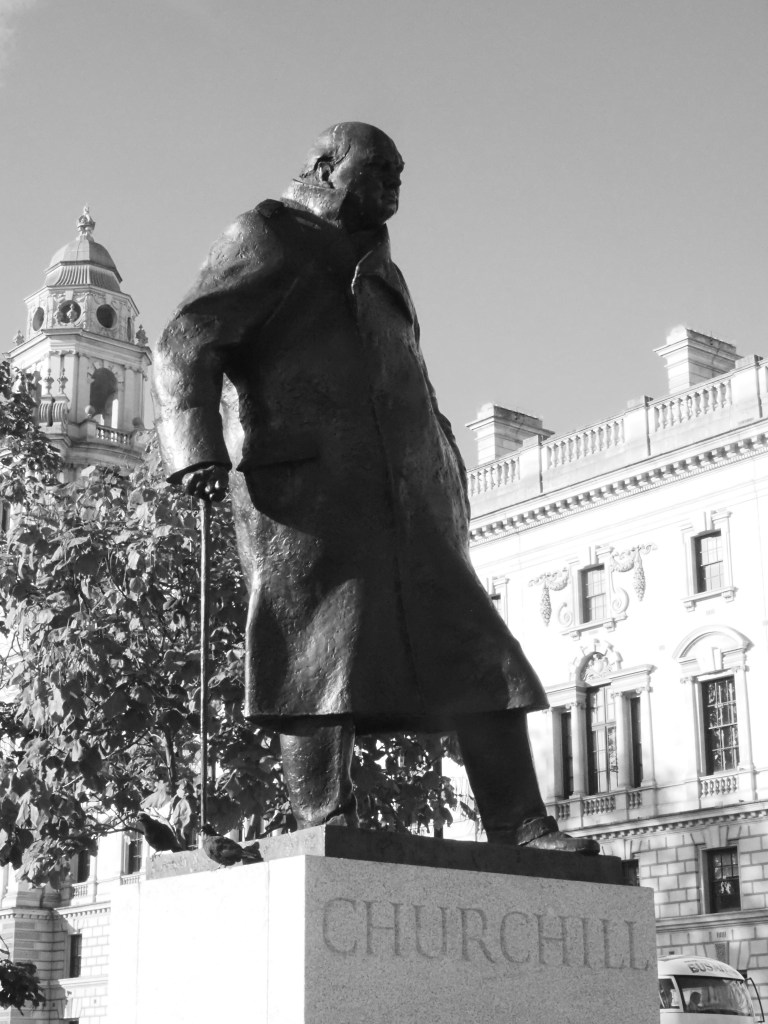
Instead, usually the histories begin with this stirring end of an extended speech by Winston Churchill in the House of Commons, June 7, 1940:
One misses the earlier forecast the newly elected Prime Minister gave on May 10th in a terse statement which set the stage for the struggle:
And so we provide here for the listener excerpts from the events following May 10, 1940, narrated by the man who witnessed it all, often in person. In addition, some background is allowed, as well as some commentary as to how France found itself in this situation.
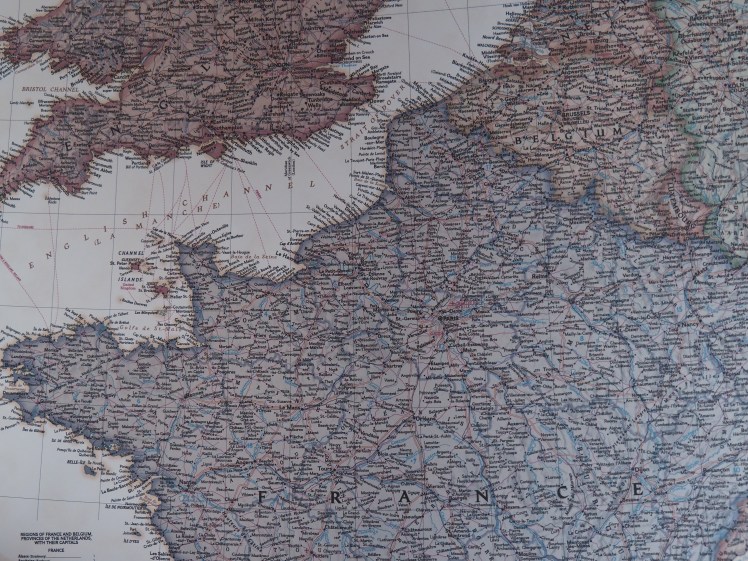
Along the way we reach back to the disastrous results of the Franco Prussian War of 1870 which ended with German troops marching in Paris. We make a brief stop in World War One as the French experience more than anything else lays the groundwork for the static defense they stubbornly clung to, best illustrated by the expense of the ultimately futile Maginot line. The French and everyone else learned the fixed defense was a sure means to losing against Blitzkrieg tactics; the advance of self-contained armored divisions with heavy tanks supported by motorized infantry and close air support, bursting into the rear areas of their opponent sewing chaos wherever they attack. Churchill recalls the voids in French strategy:
Among the more fascinating facts is that the German plans for invasion, “Case Yellow” literally fell into the hands of the Belgians after Poland had been overrun, and well before the actual May 10 invasion. The Belgian decisions to not bolster their defenses speak to the intimidation Herr Hitler held over all Europe at the time. Inviting the French and British to their soil and building greater fortifications was seen as perhaps too provocative to Herr Hitler, who notwithstanding all that had come before pledged to respect their neutrality. Yet they had held in their hands, literally, the very plans which showed Germany planned to violate that neutrality. Churchill recalls:
Of course aware of this disclosure, Herr Hitler and his generals devised a new plan: The advance through Belgium would only be a feint; the actual thrust would be through the Ardennes forest. The venerable hero of Verdun in the First World War, French Marshal Petain, was certain modern armies could not penetrate this forest effectively, and if they tried it would take weeks. All France bowed to his wisdom. In the actual event however, the German advance was closer to two days only. Breakthrough was achieved at Sedan, just like in 1870.
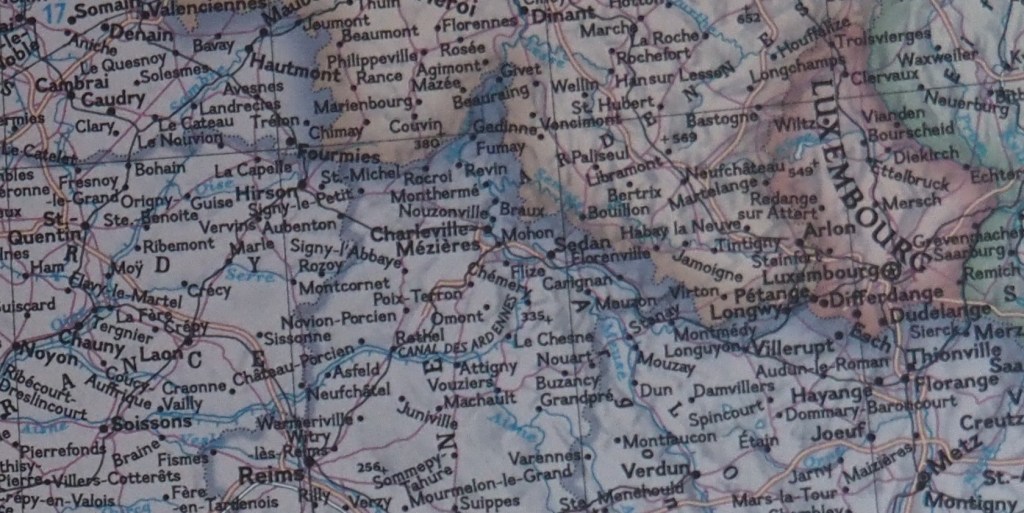
Churchill recalls the unprecedented speed of the German advance, and his stunning discovery of French collapse upon arriving in Paris May 16 to visit the British allies:
While this advance is taking place the BEF and crack French 7th army advanced into Belgium, and reached the River Doyle as planned under plan “D”. The air battles taking place over the low countries at this time centered on Allied attempts to knock out bridges the Belgians had failed to destroy during the German onslaught. Much of the drama focused on the bridges over the Albert Canal at and around Maastricht.
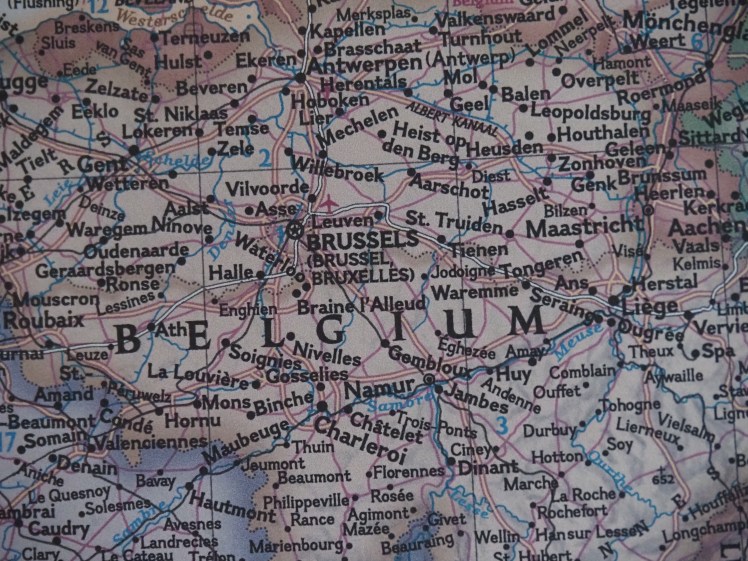
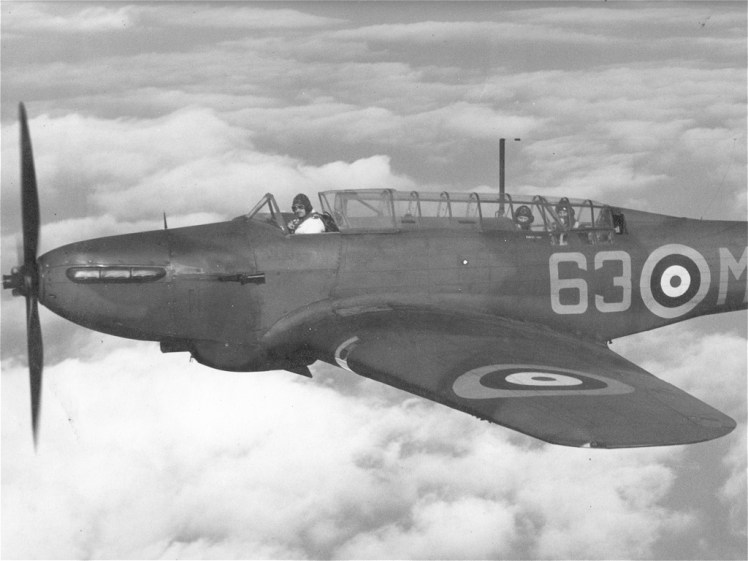
Here, as the Belgians had found earlier, many of the aircraft designs of the 1930’s adopted by the RAF fell far short of what would be adequate in actual combat. Here Chruchill tells the tale of the air battles over Flanders, of paratroop landings and the ill-fated Battle Bomber aircraft. Designed and built by the Fairy company, the Battle’s slow speed and lack of defensive armament led to serious losses not only by the superior Messerschmitt’s flown by the Luftwaffe but German groundfire, even from motorcyclists.

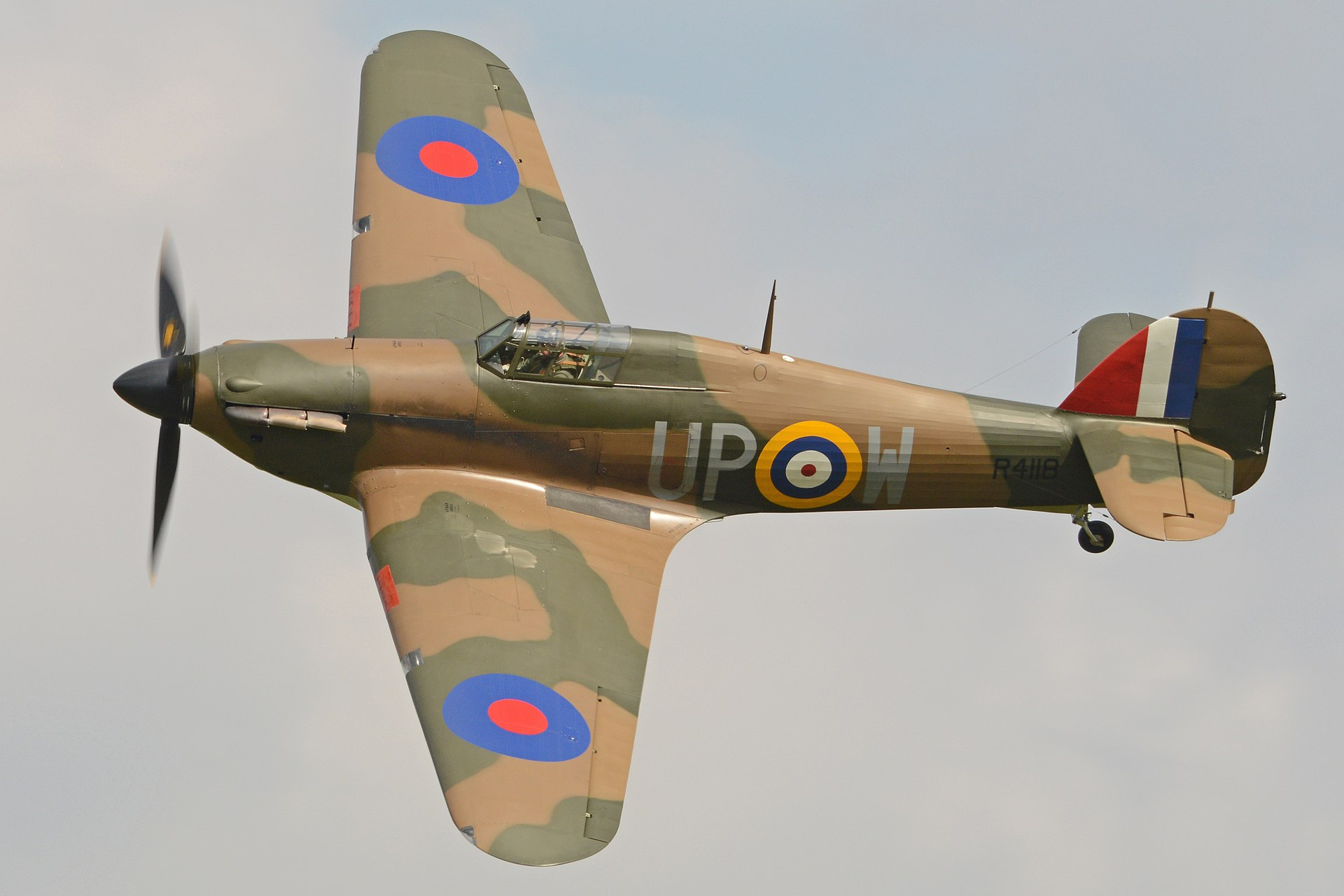
The crucible of battle determined which aircraft were fit, and those designs which were doomed to failure. The French were late to field their Dewoitine D. 520, perhaps the only fighter fielded by the French during the battle which could match the Messerschmitt’s. Too few numbers of this advanced aircraft led to incessant cries from the French to the British to send more squadrons of Hawker Hurricanes. That which the French Air Force had were as obsolete as the Fairy Battle and spread out all over France. Orders for their advance to the front never arrived.
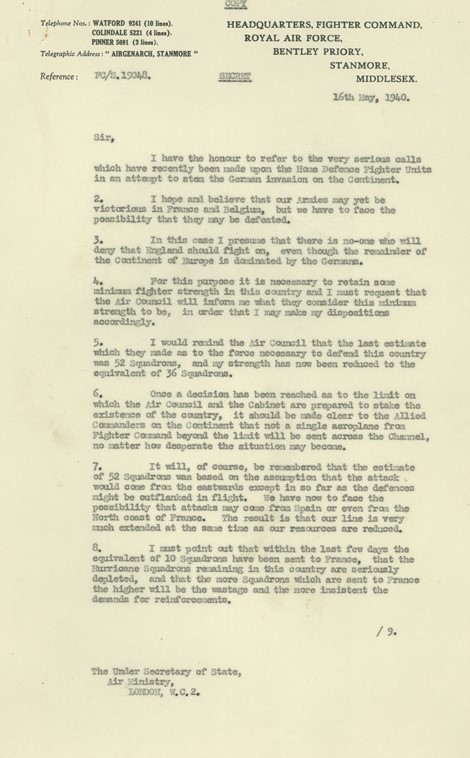
First page of Entire Text of May 16 1940 Letter of Air Marshall Dowding to the Air Ministry. Photo credit UK Air Ministry Museum.
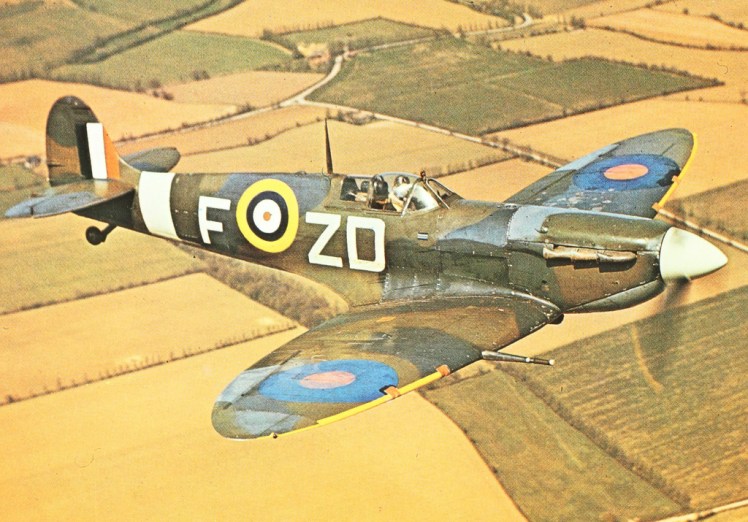
Like the French Dewoitine D. 520, the Supermarine Spitfire was slow coming into production and only saw use in significant numbers late in the Battle of France, principally above the skies of Dunkirk, and flying only from Britian as were the Hurricane’s at that point as the Germans had overrun all the airfields.
The French attempt to strike back failed. The “Panzer Corridor” which the Blitzkrieg had opened from Sedan and deep into France presented a classic bulge posture for a flanking maneuver by Allied forces on each side, north and south. And yet the French General Gamelin in overall command retained the tempo of the First World War. The orders for the counterattack were issued lethargically. Churchill recalls:
Nothing seemed to work. Failure of communications lays astride nearly every aspect of the French defeat. French air support promised Colonel De Gaulle for the counterattack from the south by the French 4th Armored division upon the “panzer corridor” failed to materialize due bad communications. French armor found their advance blunted by the Stuka screaming divebombing.
German seizure of French airfields forced the British Hurricane squadrons to return to Kent in England for basing, and fly each sortie across the channel. Rather than facing facts, the French felt betrayed.
Meanwhile the British general in command in Flanders, Lord Gort, was issued an order from Churchill to attack the German salient from the north. He responded the bulk of his divisions were defending against the northern advance of German forces through Belgum and could not be withdrawn. Moreover, he was deeply skeptical the French retained the will to fight.
General Rene’ Altmayer, commanding the Frech V Corps, was ordered to support the British was found weeping on his bed. Only the General Prioux’s fine cavalry corps came to assist. Yet artillery and air support failed to materialize.
Churchill recalls:
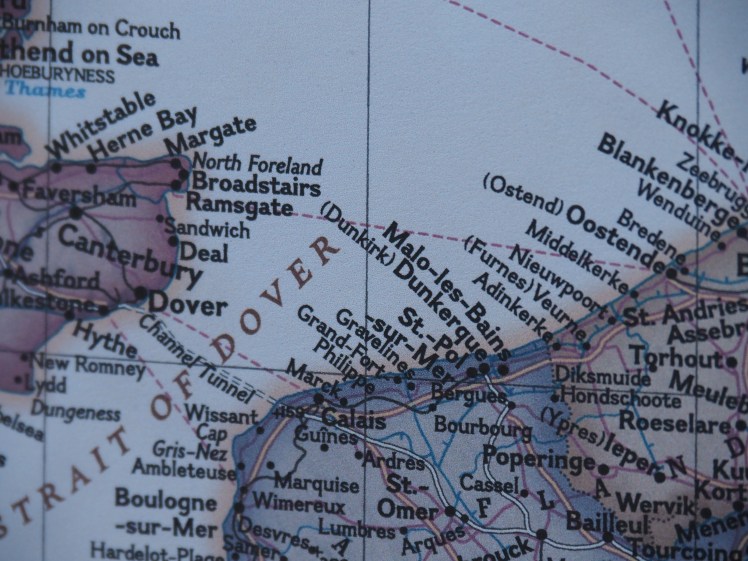
Soon came the recognition the British Expeditionary Force (BEF) would necessarily have to be evacuated from the French coast. Circumstances, and a command decision in the field by Lord Gort lead to the rally point being Dunkirk.
Postscript: We shouldn’t take this episode in French history as some kind of example of what we can expect from the people of France. So many factors led to this disaster it is hard to declare any one of them was the cause.
When the 107th government under the 1870 French constitution fell, it was replaced by the 108th and last government under the Third Republic. Paul Reynaud, a non-appeaser and somewhat of a comrade for how Churchill saw things, was placed as its leader on March 21, 1940. Scarcely 6 weeks later the epic tale told here began. We cannot blame Paul Reynaud for breaking under the stress.
All of the assumptions the French military had made were largely proven false; the impenetrability of the Ardennes, the role of tanks, the pace of battle, and the irrelevance of the Maginot line all played their part. Adding to French error, stubborn neutrality of Belgum and the Netherlands was held on to until it was too late.
The list of factors for the rapid fall of France can go on for many pages. Let us just comfort ourselves the lessons learned by the French in forming the 4th Republic and now the 5th Republic generating a more workable constitution, as well as their military and other militaries around the world will not soon be forgotten, nor will the heroic stand Winston Churchill lead Britian to in the months and years that followed.
Winston and me, Bletchey Park

